
01
Production Build-Up
Resin, adhesive, ink and process contamination can accumulate on moulds and line equipment.
Specialised cleaning for moulds, conveyors and production equipment affected by resin, adhesive, ink and process contamination, focused on cleaning access, equipment protection and production downtime.
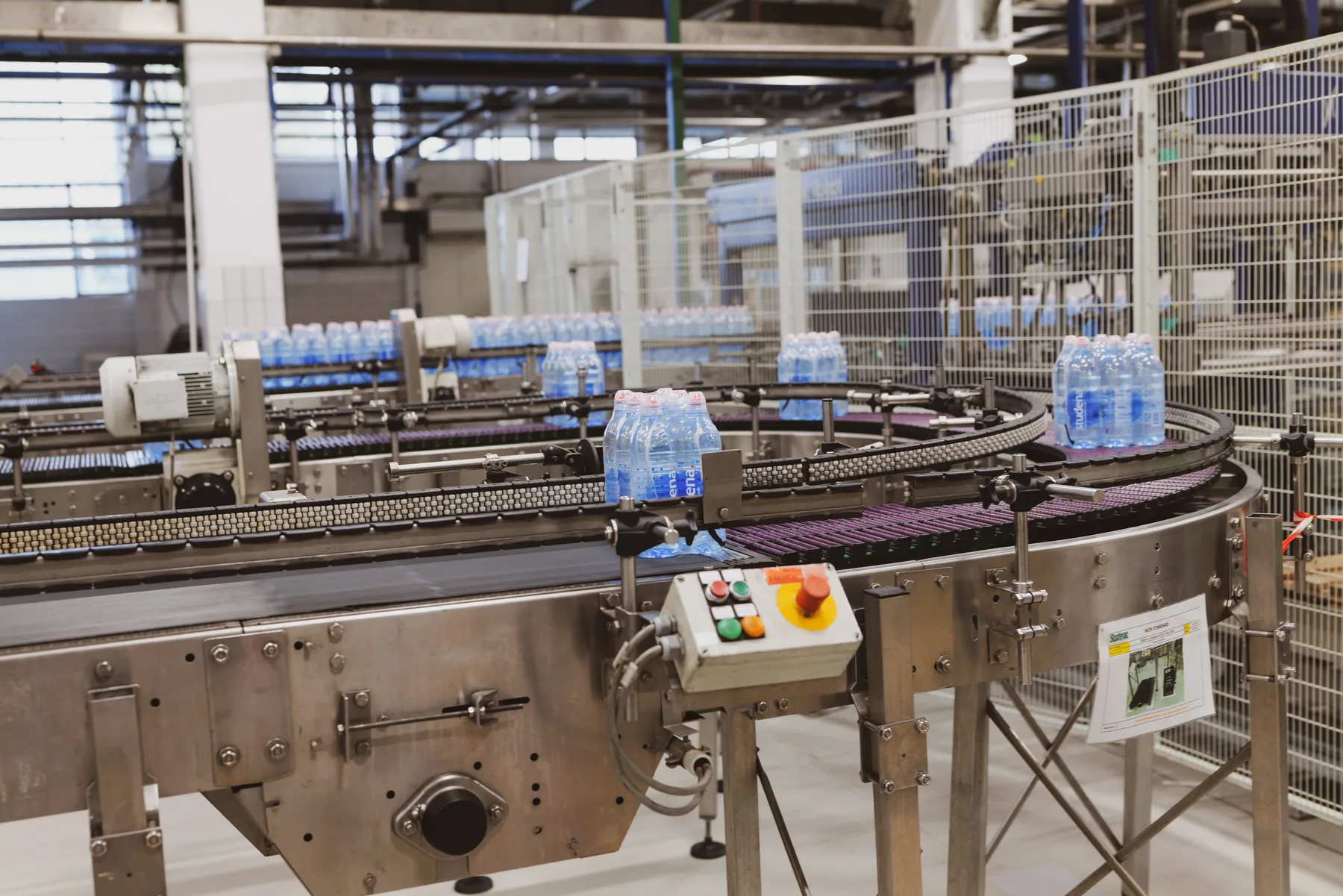
Plastic-packaging environments can accumulate resin, adhesive, ink and process deposits on equipment that is difficult or time-consuming to clean manually.
Resin, adhesive, ink and process contamination can accumulate on moulds and line equipment.
Manual cleaning and disassembly can consume valuable maintenance or production time.
Detailed surfaces, mould geometry and hard-to-reach areas can make consistent cleaning difficult.
Send us the equipment details and, if available, a few photos. The enquiry is tagged to this sector so the team can assess the application in context.
The exact cleaning method depends on the surface, contamination and production requirements.
Selected mould surfaces affected by resin, release agents and production build-up.
Selected components and mould areas in bottle and container production environments.
Production-line areas affected by product residue, adhesive and dust.
Selected nozzles, heads and equipment areas affected by adhesive build-up.
Selected surfaces affected by ink, adhesive and related process contamination.
Selected heat-sealing and packaging components where dry cleaning may be appropriate.
Dry ice blasting can be valuable where water, chemicals or abrasive media are undesirable and where reducing manual scraping or disassembly can support maintenance efficiency.
Learn how dry ice blasting worksUseful for selected production equipment where moisture is undesirable.
Helps protect suitable mould and equipment surfaces.
The dry ice sublimates rather than remaining as separate blast media.
The blasting stream can reach selected detailed areas that are difficult to scrape manually.
It can be suitable for selected mould-cleaning applications, depending on the mould material, surface, contamination and equipment condition.
Adhesive, resin, ink and process deposits can be assessed for dry ice blasting. Results depend on the specific contaminant and how strongly it is bonded to the surface.
Dry ice blasting can reduce disassembly in some applications, but safe access, guarding and the equipment design determine what can be cleaned in place.
Yes. Production and maintenance timing is part of the assessment so the cleaning scope can be planned around the available window.
Send the production-line, contamination and timing details so Integra can review the application.